Deer diseases in our region: CWD, EHD and bluetongue
What is chronic wasting disease (CWD)?
CWD is a progressive, always-fatal neurological disease of deer, elk and moose. It is caused by prions, misfolded proteins that damage the brain.
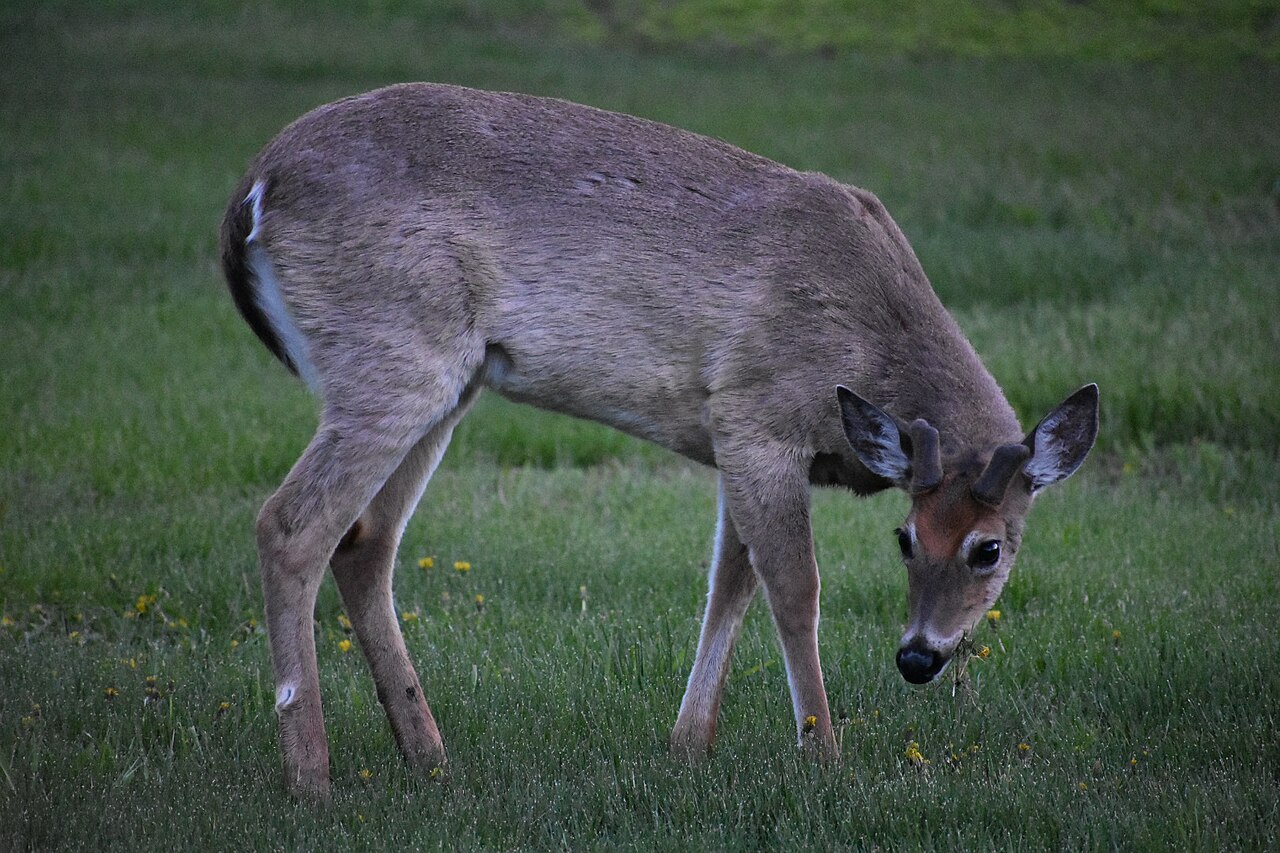
- Signs: Infected deer look normal for about 18 to 24 months. Then they lose weight while still eating, walk in repeated patterns, stand with a wide stance, carry their heads and ears low, drool, drink and urinate more, and become listless.
- Spread: Prions are shed in saliva, urine, feces and blood, often before deer look sick. They bind to soil and plants and can stay infectious for years. Deer spread it through contact, through contaminated ground, and through people moving live deer or carcass parts.
- People: No human illness has been linked to CWD. Health agencies advise against eating meat from sick deer or deer that test positive, and in CWD areas hunters should avoid brain, spinal cord, lymph nodes and spleen and have deer tested.
Where has CWD been found in our region?
- Pennsylvania: The Game Commission manages CWD through Disease Management Areas with rules on feeding, urine lures and moving high-risk carcass parts. Most positives have come from the southcentral Established Area (Bedford, Blair and Fulton Counties), and a management area has included parts of Lancaster County.
- Maryland: DNR confirmed 69 positive deer in 2025, in Allegany, Washington, Frederick, Montgomery, Baltimore, Carroll and Howard Counties.
- Delaware: DNREC confirmed the state’s first case, and the first on the Delmarva Peninsula, in a hunter-harvested deer from Sussex County in April 2026, set up a management zone and began testing deer, including deer taken under its deer damage programs.
- New Jersey: No CWD had been found in more than 9,800 wild deer tested as of 2021.
What is hemorrhagic disease (EHD and bluetongue)?
Hemorrhagic disease is caused by two related viruses, epizootic hemorrhagic disease virus (EHD) and bluetongue virus. Both are spread by tiny biting midges (Culicoides) in late summer and early fall.
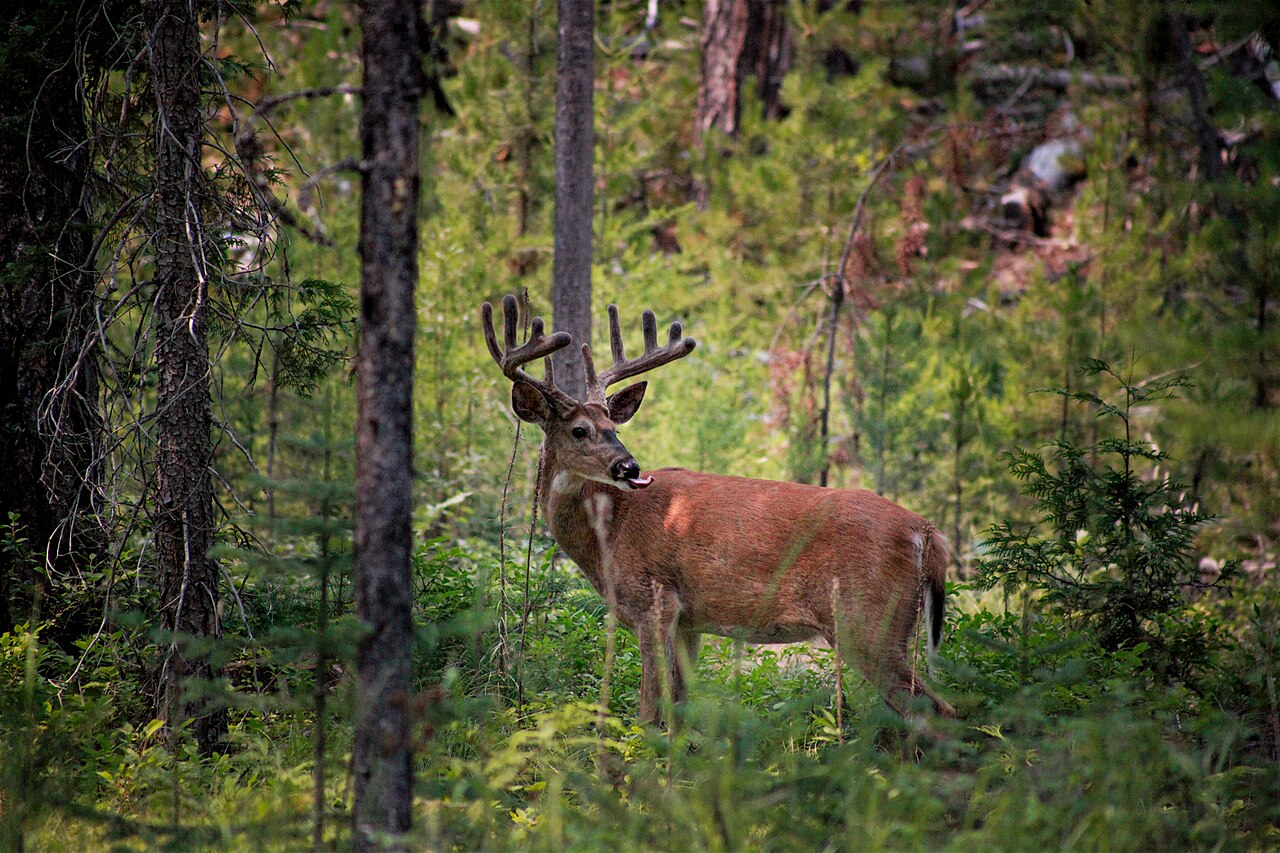
- Signs: Fever, swelling of the face, tongue or neck, drooling or foaming, breathing trouble, weakness, mouth ulcers and a swollen, bluish tongue. Feverish deer are often found dead in or near water. Many die within about 36 hours of showing signs, though some survive.
- Bluetongue often causes foot lesions that make deer move erratically, and it can also infect some livestock.
- Season: Outbreaks run roughly August through October and end with the first hard frost, which kills the midges.
- People: EHD and bluetongue are not a threat to human health.
Where has hemorrhagic disease hit?
New Jersey has seen EHD outbreaks in counties such as Cumberland and Gloucester, and documented bluetongue in deer for the first time in 2014. Pennsylvania confirmed EHD outbreaks in the southwest of the state in 2024.
What can landowners do?
- Do not feed or bait deer where it is banned, and never move live deer.
- Use synthetic lures instead of natural deer urine.
- Report deer that look sick, or are found dead without injuries, to your state wildlife agency.
- Keep deer numbers in balance. Crowded herds share disease more easily.
- Follow carcass disposal and testing rules in CWD areas.
Last updated October 18, 2026. Reviewed by DelChester Wildlife Conservation Group.
Frequently asked questions
What is chronic wasting disease?
A fatal brain disease of deer, elk and moose caused by misfolded proteins called prions. Infected deer can look healthy for 18 to 24 months before wasting away, and prions can stay in soil for years.
Has CWD been found near me?
Yes in parts of the region. Pennsylvania has disease management areas, Maryland confirmed 69 positives in 2025 in seven counties, and Delaware confirmed its first case in Sussex County in April 2026. New Jersey had found no CWD in more than 9,800 wild deer tested as of 2021.
What is the difference between EHD and bluetongue?
Both are viral hemorrhagic diseases spread by biting midges, with similar signs. Bluetongue often causes foot lesions and can also infect some livestock. Both outbreaks end with the first hard frost.
Can people get CWD or EHD from deer?
No human illness has been linked to CWD, and EHD and bluetongue are not a threat to people. Do not eat meat from sick deer, and in CWD areas have deer tested and avoid brain, spinal cord and lymph nodes.
Put our team to work on your land
Tell us about your property and the deer you are seeing. A first conversation and site visit cost nothing.
Enroll Your Property- Maryland DNR, Annual survey detected 69 deer with CWD in 2025 (May 14, 2026)
- WMDT, First case of CWD confirmed in Sussex County deer (April 2026)
- New Jersey Division of Fish and Wildlife, CWD questions and answers
- Pennsylvania Game Commission, CWD Disease Management Areas adjusted
- WRNJ, EHD confirmed in New Jersey
- WPXI, Game Commission monitoring EHD outbreak (Sept. 2024)
- OutdoorHub, First bluetongue identified in New Jersey deer (2014)