Lease your land for hunting in Pennsylvania, New Jersey, Delaware and Maryland
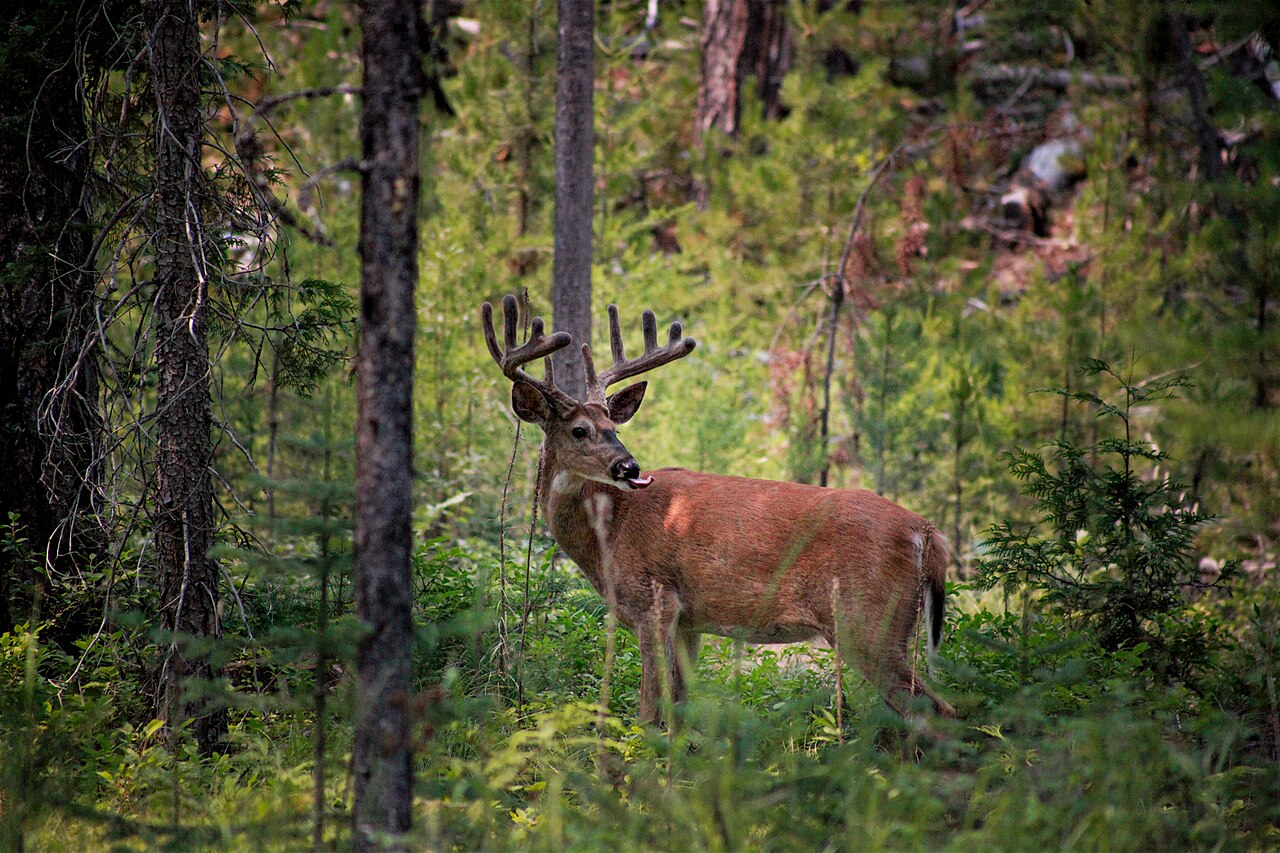
What are the financial benefits of a hunting lease?
- Help with property taxes. Penn State Extension reports Pennsylvania hunting leases averaging about $4 to $5 an acre, with a range from about $1 to over $10, and notes that lease income can help offset rising property taxes.
- Income every year between crop seasons or timber harvests.
- Less crop and landscape damage, because our team takes does and keeps deer numbers in check.
- Work on the land. Lessees often help with posting, trails, fences and game counts.
- Eyes on the property. Regular, known visitors deter trespassing, poaching, theft and dumping.

Why lease to us instead of through a broker?
Many hunting leases are arranged by agents or land brokers who take a cut and then sub-lease to whoever pays, often groups the landowner never meets. With us:
- You deal with our organization directly, one contact, one written lease.
- No sub-leasing. Only our vetted, licensed team members hunt your land.
- You know who is there. We give you the roster and you approve it.
- Your rules, on parking, access, hours, ATVs, stands and guests, written into the lease.
- Harvest reports so you see the results.
Is leasing land for hunting legal in each state?
Yes. Pennsylvania, New Jersey, Delaware and Maryland all allow a landowner to lease hunting rights. Every hunter still needs the right license for that state, and all seasons, bag limits and safety zone rules apply on leased land. A few state programs do treat paid hunting differently:
- Pennsylvania: the Deer Management Assistance Program (DMAP) is open to private landowners who do not charge a fee for hunting.
- New Jersey: farmer deer permits and farm depredation permits belong to the farmer and the farmer’s authorized agents, not to lessees in general.
- Delaware and Maryland: crop damage programs are issued to the landowner or farm operator, who names the hunters.
How do landowner liability laws treat free versus paid hunting?
Each state has a recreational use law that protects landowners who open their land for hunting and other outdoor recreation. The protection is strongest when no fee is charged.
Pennsylvania (Recreation Use of Land and Water Act, 68 P.S. §§ 477-1 to 477-8)
- A landowner who lets people hunt without charge owes them no duty to keep the land safe or to warn of hazards, and is not liable for injuries to anyone caused while hunting.
- The protection does not apply to willful or malicious failure to guard or warn, or where the owner charges the users.
- A “charge” is an admission price or fee for permission to enter. It does not include voluntary or in-kind contributions, or contributions the owner does not keep and uses only to conserve or maintain the land, pay its property taxes, or pay liability insurance on it.
- Money from a lease to the state or a political subdivision is not a charge.
New Jersey (Landowner Liability Act, N.J.S.A. 2A:42A-2 to 2A:42A-10)
- An owner, lessee or occupant owes no duty to keep the land safe for hunting and other sport and recreational activities, whether or not the land is posted and even if it is used as part of a commercial enterprise.
- The protection does not apply to willful or malicious failure to guard or warn, or where permission was granted for consideration, other than payments from the State.
Delaware (7 Del. C. §§ 5901 to 5907)
- An owner owes no duty to keep the land safe for recreational use, including hunting, whether people enter with or without consent.
- The protection does not apply to willful or malicious failure to guard or warn, or where the owner charges for recreational use. A lease to the State or a political subdivision is not a charge.
Maryland (Md. Code, Nat. Res. §§ 5-1101 to 5-1109)
- An owner owes no duty to keep the land safe for recreational or educational use. “Owner” includes the holder of an easement.
- The protection does not apply to willful or malicious failure to guard or warn, or generally where the owner charges for entry.
- A “charge” does not include sharing game, benefits to the land from the recreational use, or in-kind contributions and services that help manage or conserve the land.
- For hunting, Maryland goes further: when a landowner allows a person to hunt on a limited-entry basis, with or without a charge, the hunter impliedly agrees to follow the law and safety practices and to take on all responsibility and liability for their own safety and property. The State provides written permission cards for this purpose.
What this means for a lease
Once a fee changes hands, Pennsylvania, New Jersey and Delaware landowners may lose the recreational use protection, so insurance, hazard disclosure and indemnity terms in a written lease matter. We put these terms in writing for every lease, and we recommend you have your own attorney review it. This page is general information, not legal advice for your property.
What should a hunting lease cover?
- Property map and what may be hunted
- Annual payment and due date
- Term, renewal and how either side can end it
- Number of hunters and guest rules
- Liability, insurance, indemnity and hazard disclosure
- Stands, blinds, vehicles and camping
- Harvest goals and reporting
Why are there so many more deer today?
Around 1900, market hunting had cut the nation’s white-tailed deer to an estimated 300,000 to 500,000 animals. Protection and restocking brought them back, and today estimates run around 30 million. Suburban and exurban growth broke up forests and farms into the edge habitat deer prefer, and much of that land, from housing developments to corporate campuses and preserves, is closed to hunting. With plenty of food in lawns, plantings and crops and few predators, herds on unhunted ground keep growing. Leasing hunting rights, and managing deer on land that is not hunted, is how landowners push back. See our page on deer control for HOAs and conservation easements.
What land are we looking for?
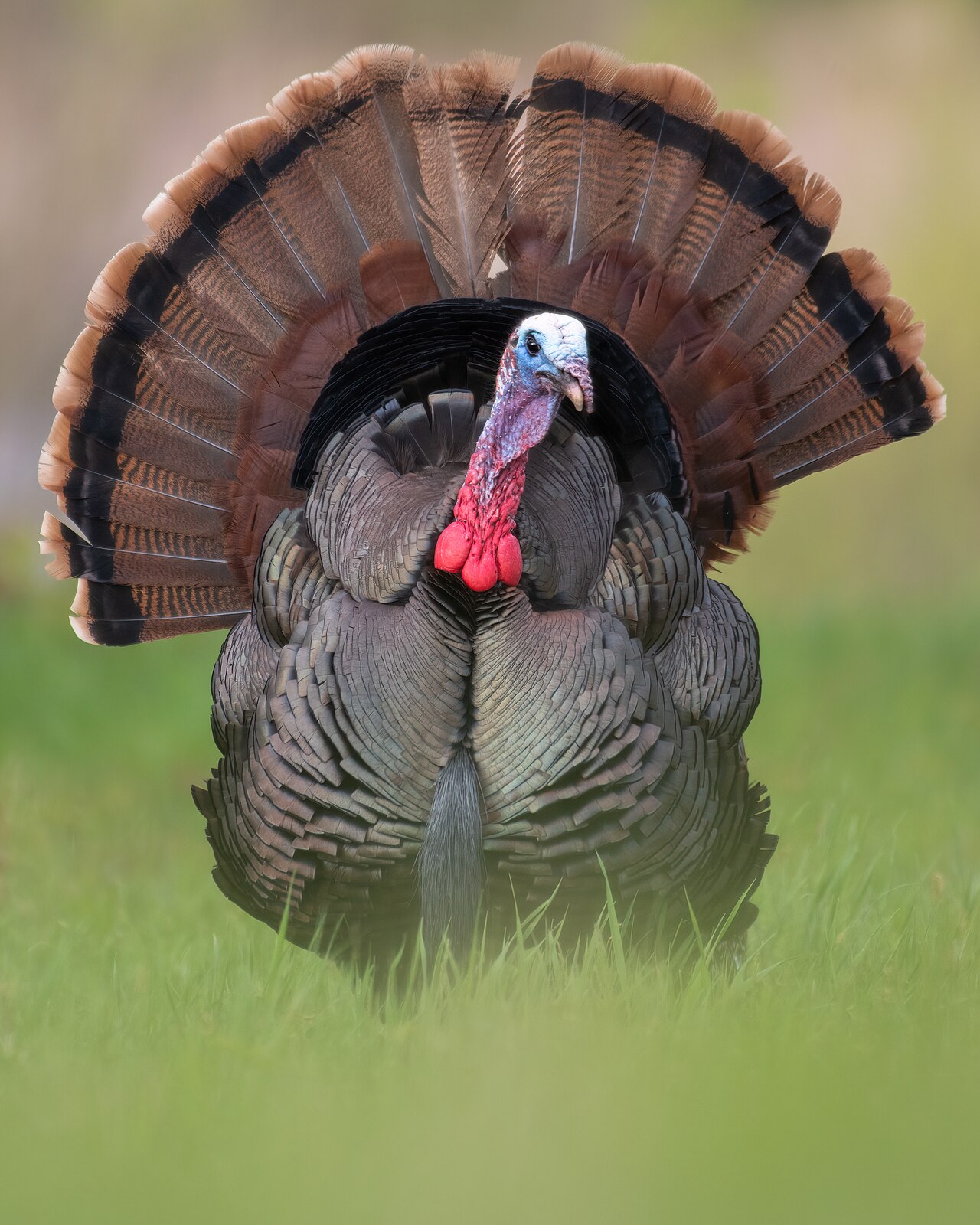
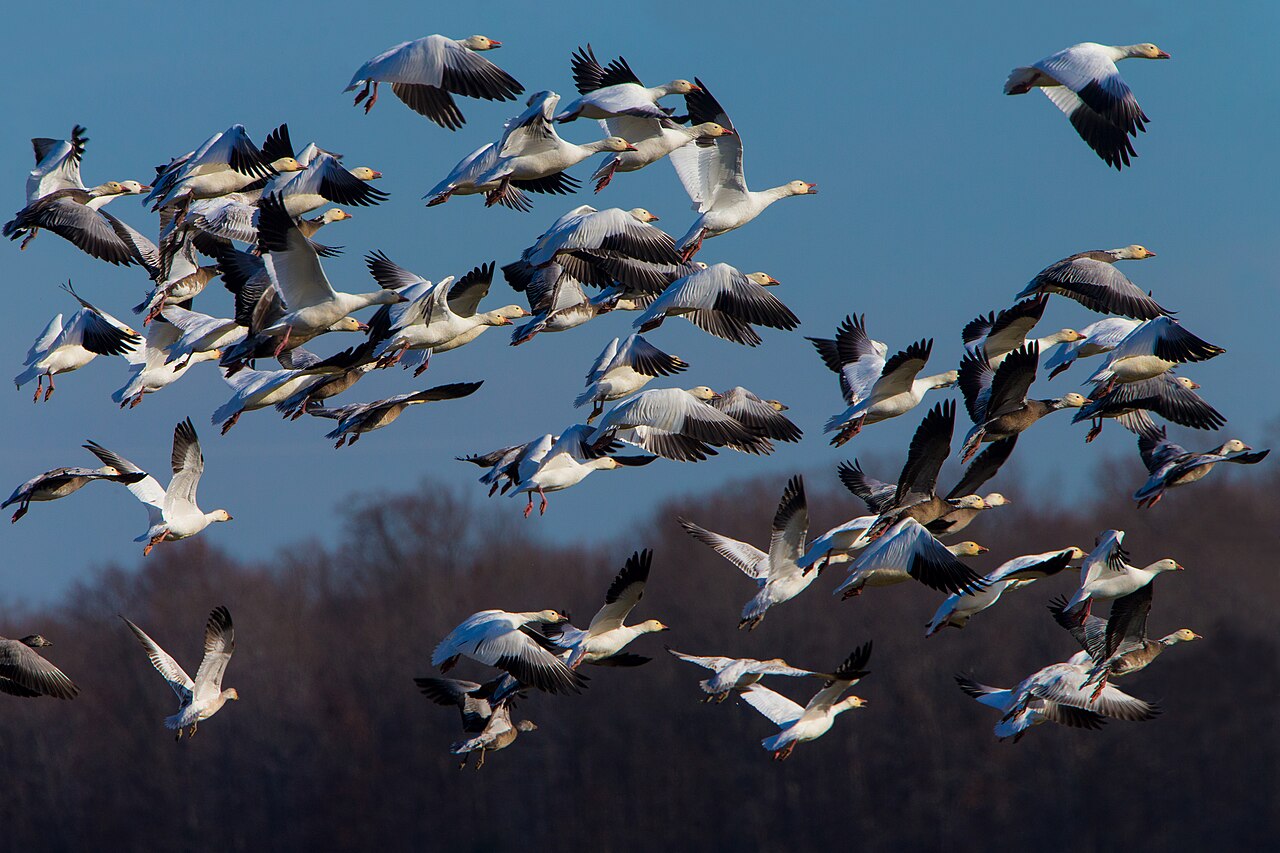
Farms, woodlots and larger private parcels in Pennsylvania, New Jersey, Delaware and Maryland, including land with deer, turkey or waterfowl damage. Tell us about yours on our enrollment form.
Where can I read these laws?
- Pennsylvania Recreation Use of Land and Water Act (68 P.S. §§ 477-1 to 477-8)
- N.J.S.A. Title 2A (Landowner Liability Act, 2A:42A)
- Delaware Code Title 7 (Chapter 59)
- Maryland Code, Natural Resources Article (Title 5, Subtitle 11)
Last updated October 18, 2026. Reviewed by DelChester Wildlife Conservation Group.
Frequently asked questions
Is it legal to lease land for hunting in Pennsylvania, New Jersey, Delaware and Maryland?
Yes. None of the four states bars a landowner from leasing hunting rights. Hunters still need the proper licenses, and all game laws apply on leased land.
Does charging for hunting affect my liability protection?
It can. Pennsylvania, New Jersey and Delaware recreational use laws generally do not protect a landowner who charges for entry. Maryland is different for hunting: a hunter allowed in on a limited-entry basis, with or without a charge, impliedly takes on responsibility for their own safety and property.
Can lease money used to pay property taxes keep my Pennsylvania protection?
Pennsylvania’s law says contributions that the owner does not keep, and that are used only to conserve or maintain the land, pay its property taxes or pay liability insurance on it, are not a charge. How the payment is set up matters, so have your attorney review the lease.
How much can I earn leasing my land for hunting?
Penn State Extension reports Pennsylvania leases averaging about $4 to $5 an acre, with a range from about $1 to over $10 depending on the land, access and features.
Will you sub-lease my land to other hunters?
No. Only our own vetted team members hunt leased land, and you approve the roster.
Lease your land to us
Tell us where your land is and about how many acres. We will walk it with you and talk through a lease that works for you.
Tell Us About Your Land- Penn State Extension, Leasing Your Land for Hunting: Income and More
- Pennsylvania Game Commission, Deer Management Assistance Program
- University of Maryland Agriculture Law, New law reduces liability exposure for landowners with hunting leases
- Chesapeake Bay Program, Watershed forests hit by deer population growing pains